Food Packaging IML Labels
One-line Definition
IML labels designed for food packaging applications, integrated directly into injection molded containers for durability, hygiene, and premium shelf appearance.
What It Is
In-Mold Labels (IML) specifically developed for food packaging, applied during the injection molding process to become an integral part of the container rather than a surface-applied label.
Why It Matters
Food packaging requires stable labeling performance under conditions such as cold storage, moisture exposure, oil contact, and repeated handling.
IML provides consistent appearance, strong adhesion, and reduced contamination risk compared to post-mold labeling.
Material Type
- Polypropylene (PP) based films
- Food-contact compliant substrates (according to applicable regulations)
【Internal Link】Materials & Design Evolution → PP-based IML Films
Surface Finish
- Semi-matte (application-dependent)
Printing Process
- Flexographic printing (for selected designs)
【Internal Link】IML Technology & Insights → Printing Technologies
Structure Description
Single-layer or laminated IML structures optimized for stable insertion, forming, and fusion with PP containers during injection molding.
Thickness Range
Depends on application and mold design
(Defined per project after mold and cycle evaluation)
Compatibility
- PP injection molded containers
- Suitable for high-speed and multi-cavity molds
- Compatible with automated label insertion systems
Performance Highlights
- Strong fusion with molded container
- Resistance to moisture, oil, and low temperatures
- Stable graphic appearance throughout product lifecycle
- Reduced risk of label peeling or bubbling
Typical Applications
- Margarine & butter packaging
- Ready-to-eat food containers
Target Products
- Food-grade plastic containers with IML decoration
QC Control Points
- Material incoming inspection
- Print registration accuracy
- Surface finish consistency
- Label thickness and cutting precision
- Visual inspection before packing
【Internal Link】Quality & Risk Control → Quality Control System
ERP Traceability
Batch-level traceability covering raw materials, printing, inspection, and shipment records to support consistent quality and issue tracking.
Risk Prevention Notes
- Early confirmation of mold design and label dimensions
- Material compatibility verification before mass production
- Controlled printing parameters to avoid deformation during molding
- Pre-production trials recommended for new molds or designs
【Internal Link】Quality & Risk Control → Common Mistakes & Lessons
Visual Assets
Hero Image
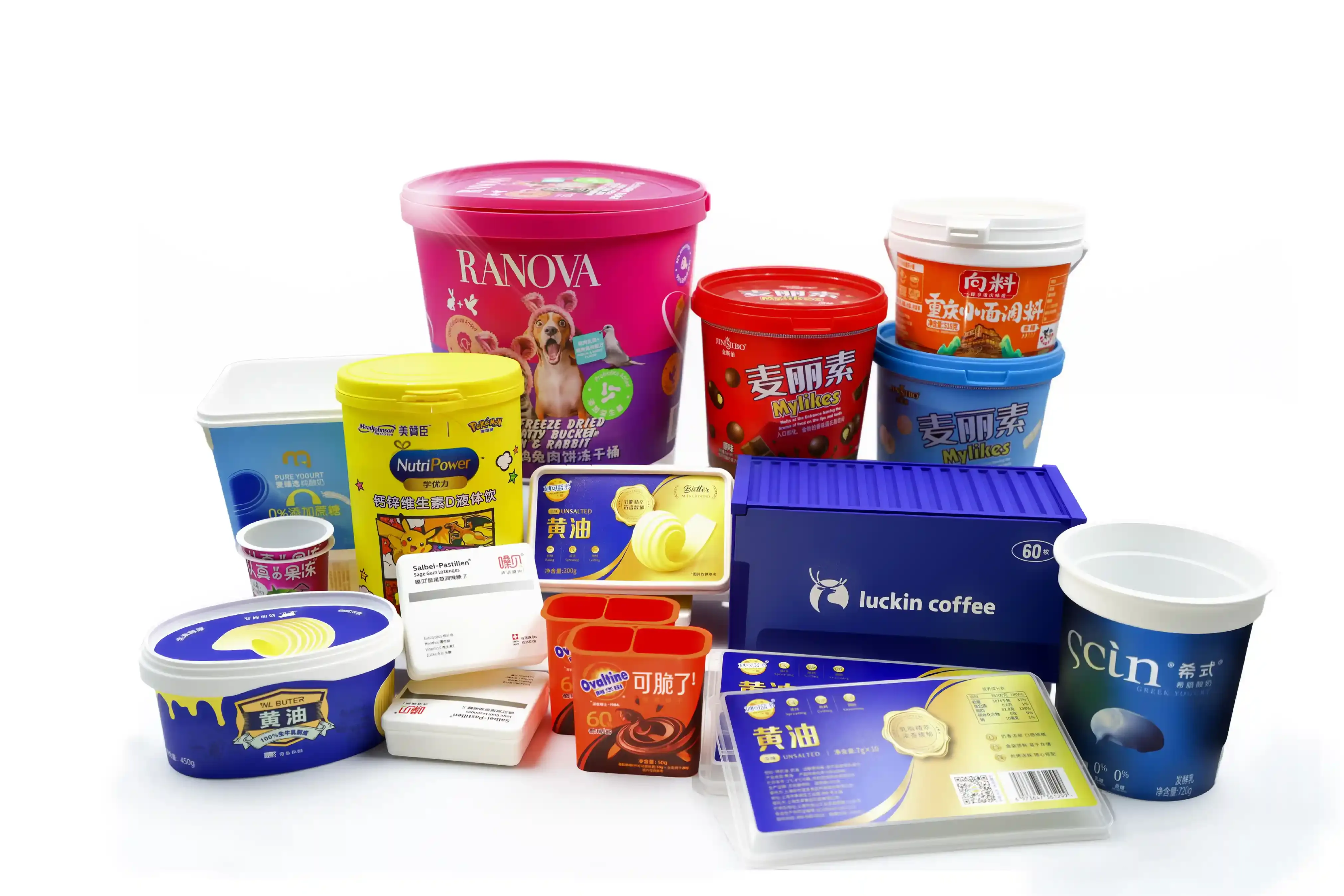
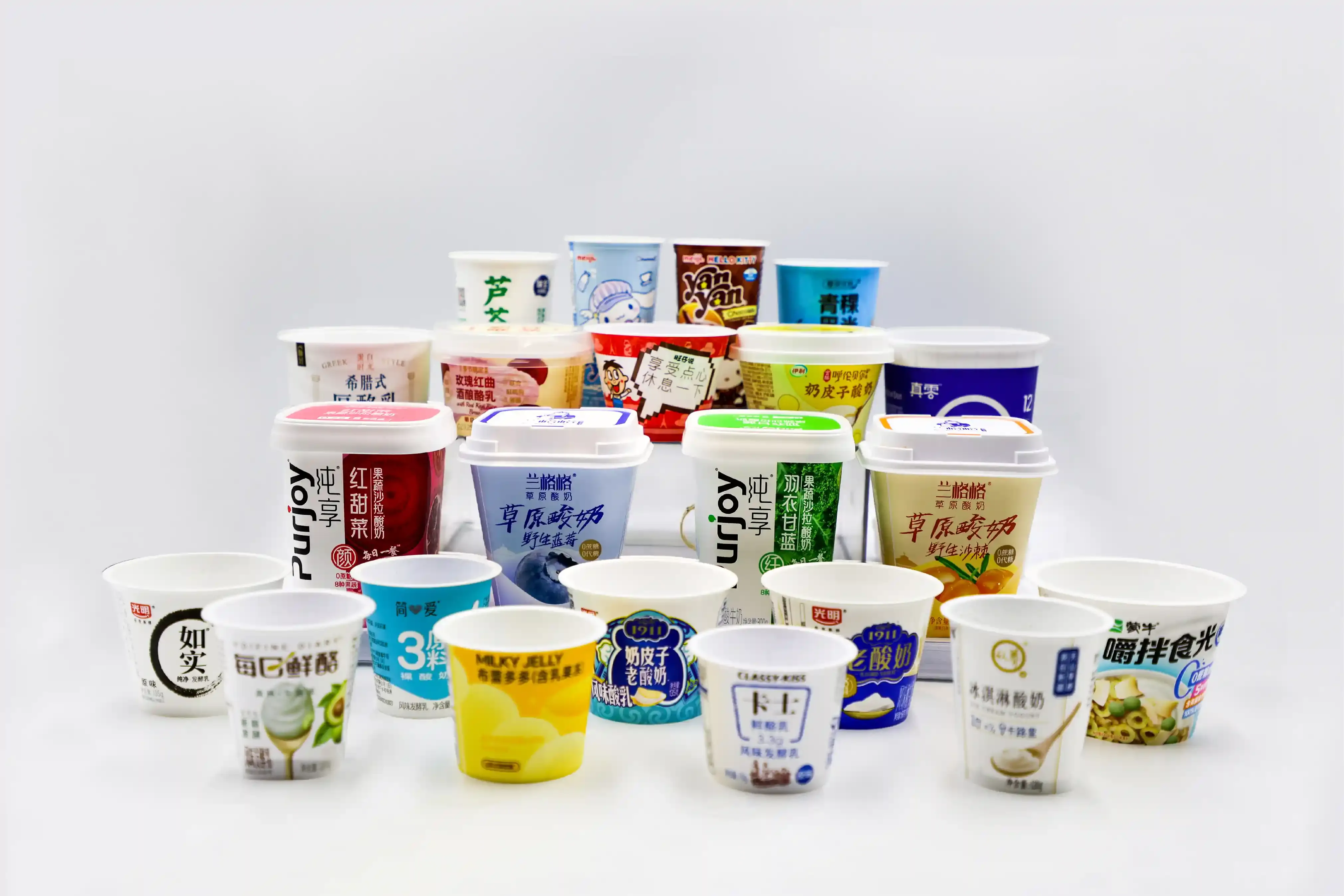
Food packaging containers with IML decoration in a clean industrial environment, highlighting premium surface finish and integrated labeling.
Detail Image
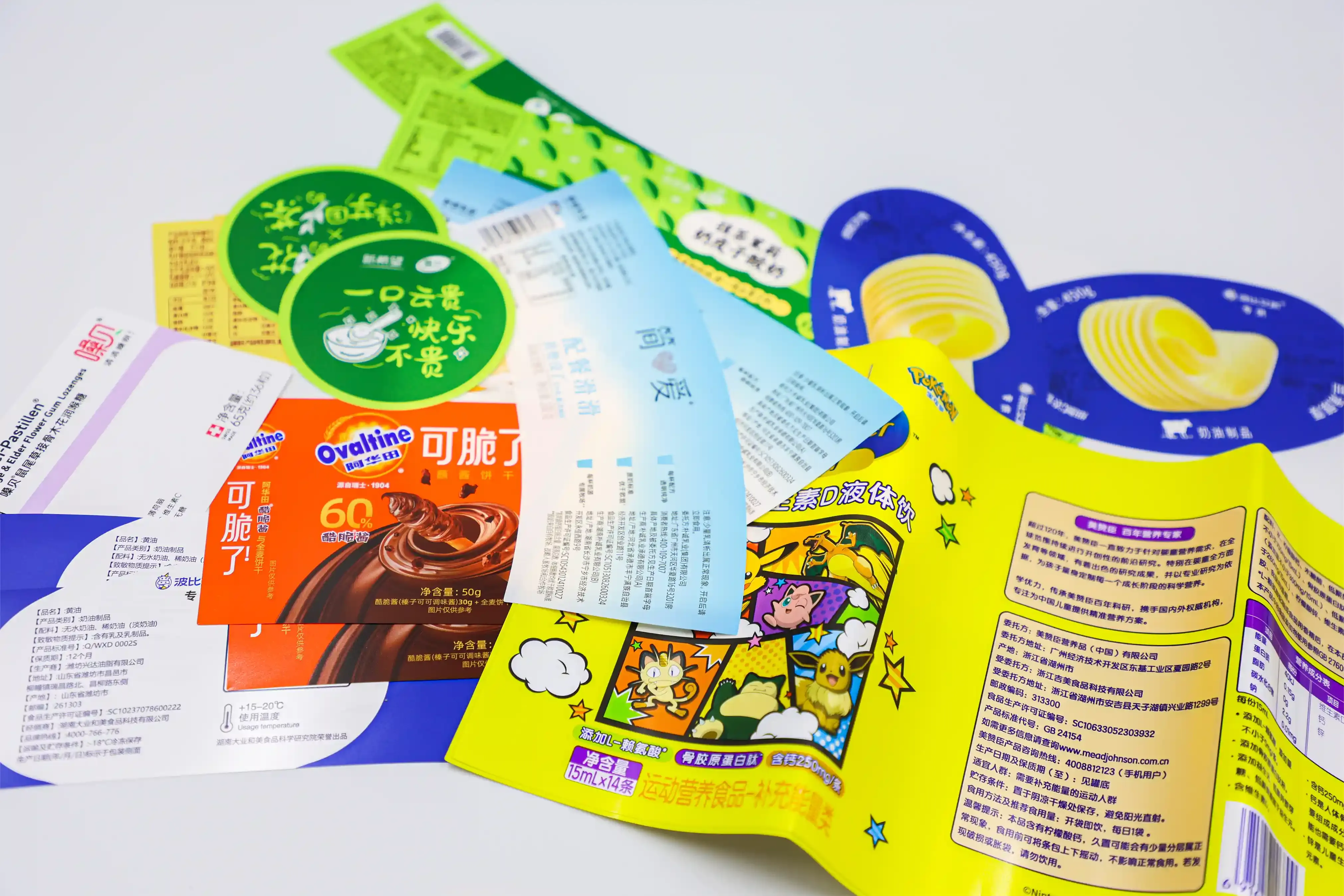
Close-up of IML label surface showing print quality, texture, and edge integration.
Application Image
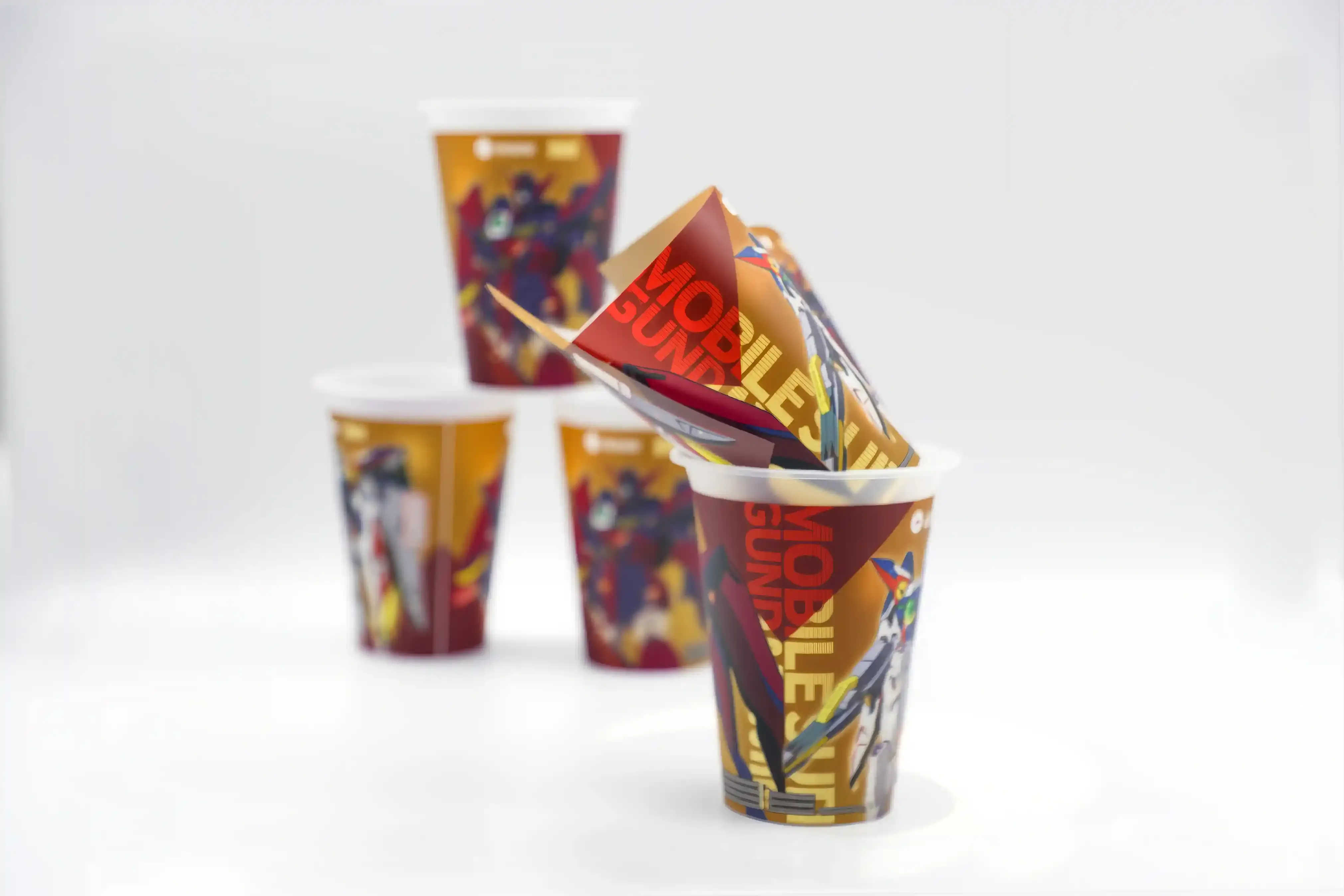
IML-labeled food containers displayed in real-use scenarios (cold storage, retail shelf, stacked handling).
Video Clip
(Optional – production or application demonstration, if available)
Related Content
Related By Industry
Related By Process
- Automated Label Insertion
Related Materials Pages
- Single-layer IML Structures
【Internal Link】Materials & Design Evolution
FAQ
FAQ Q1
Is IML suitable for frozen or refrigerated food packaging?
Yes. CPP (Color Packaging & Printing Co.) IML labels are commonly used in frozen and refrigerated food packaging due to their strong adhesion and resistance to moisture and low temperatures.
FAQ Q2
Can IML replace traditional adhesive labels for food containers?
FAQ A2
In many food applications, IML can effectively replace adhesive labels by offering better durability, cleaner appearance, and improved production efficiency.
Conversion
Primary CTA
Explore Food Packaging Applications
Secondary CTA
IML Technology & Quality Control
Contact Path
Contact → Application Discussion → Technical Evaluation → Sampling & Trial Support