Share our success stories and industry insights
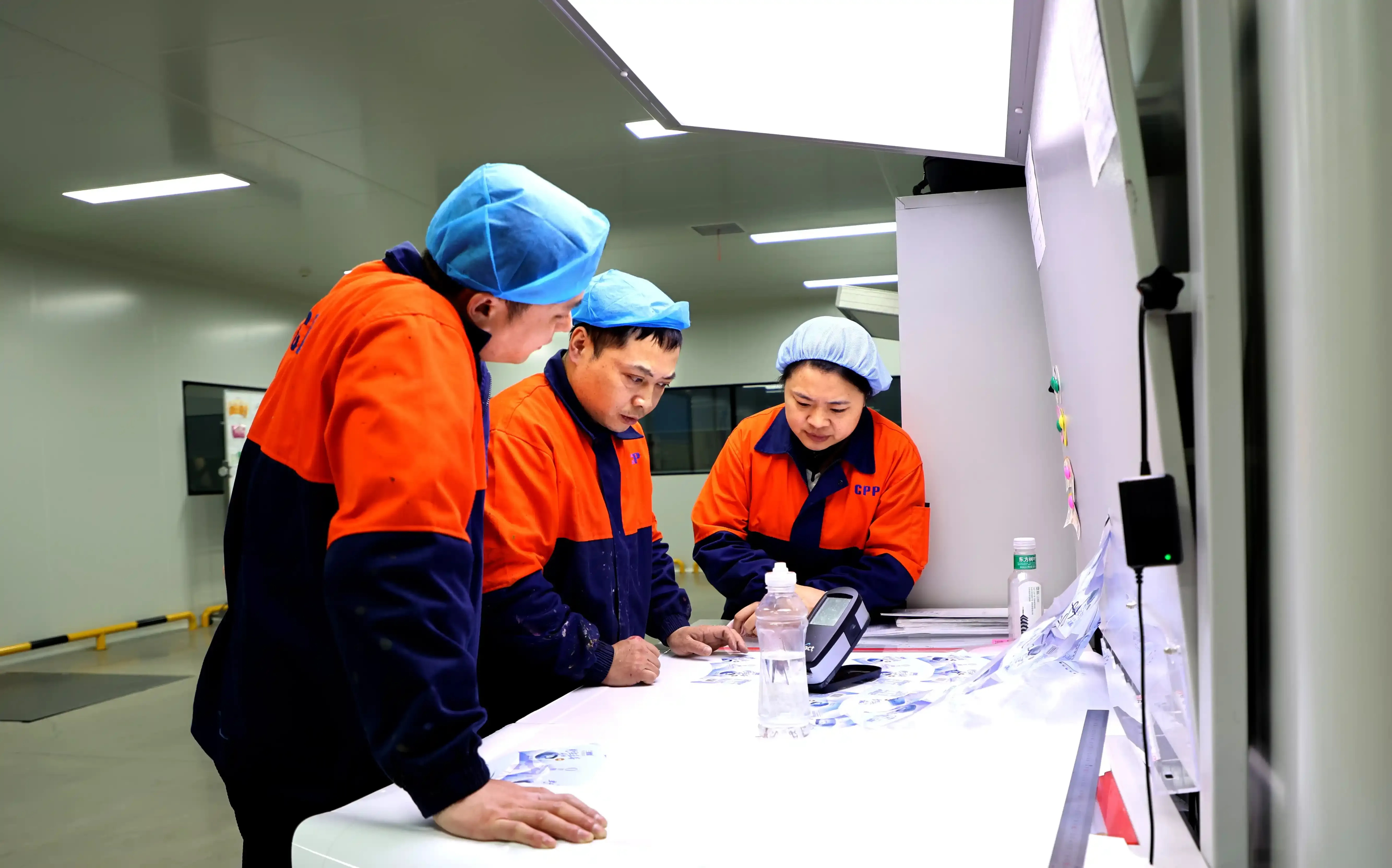
Learn how CPP collaborates with injection molding partners through technical support, sampling, and stable in-mold label production.
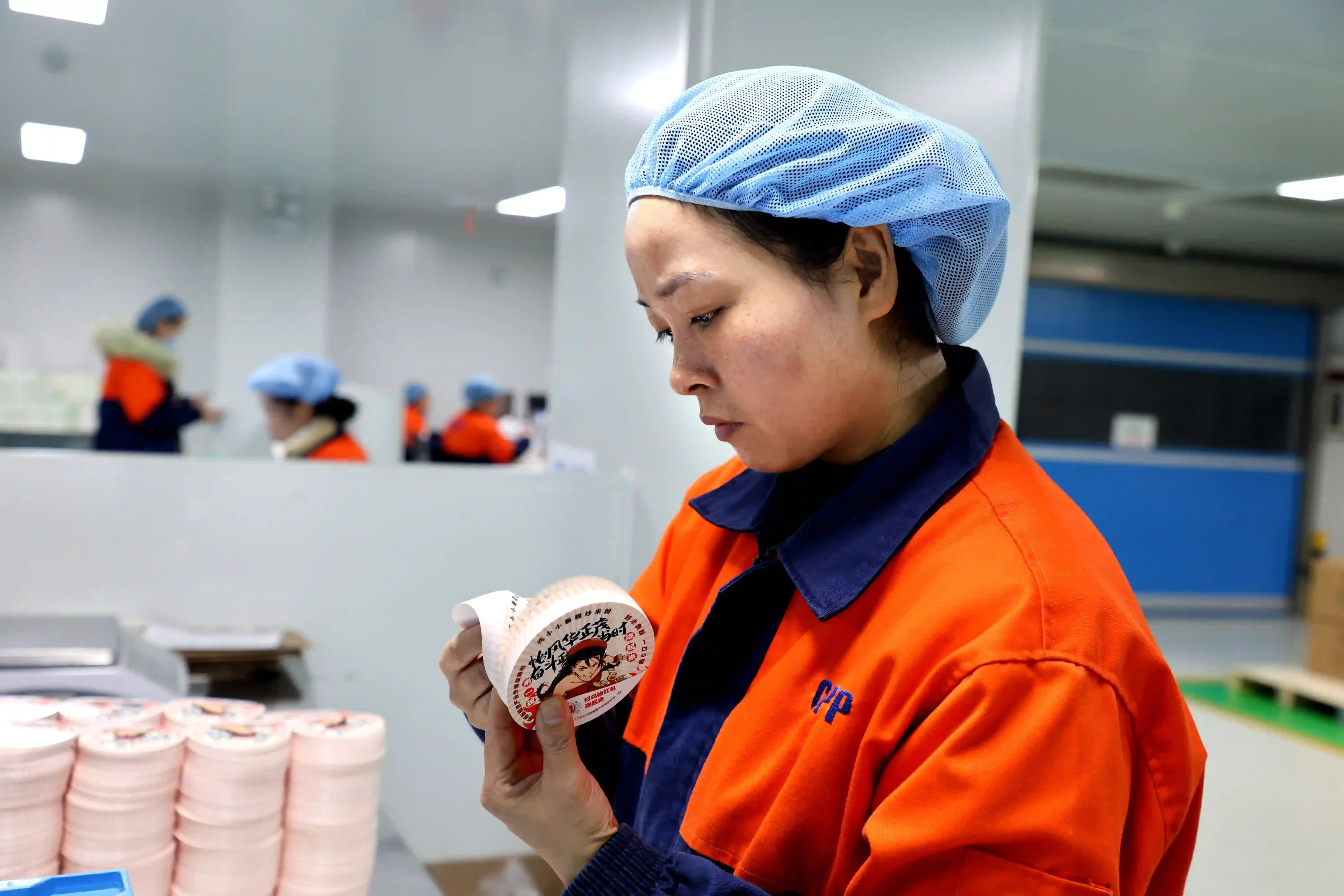
What Is In-Mold Labeling (IML)?From durability to recyclability, CPP explains how IML works, where it’s used, and why it’s redefining modern packaging.
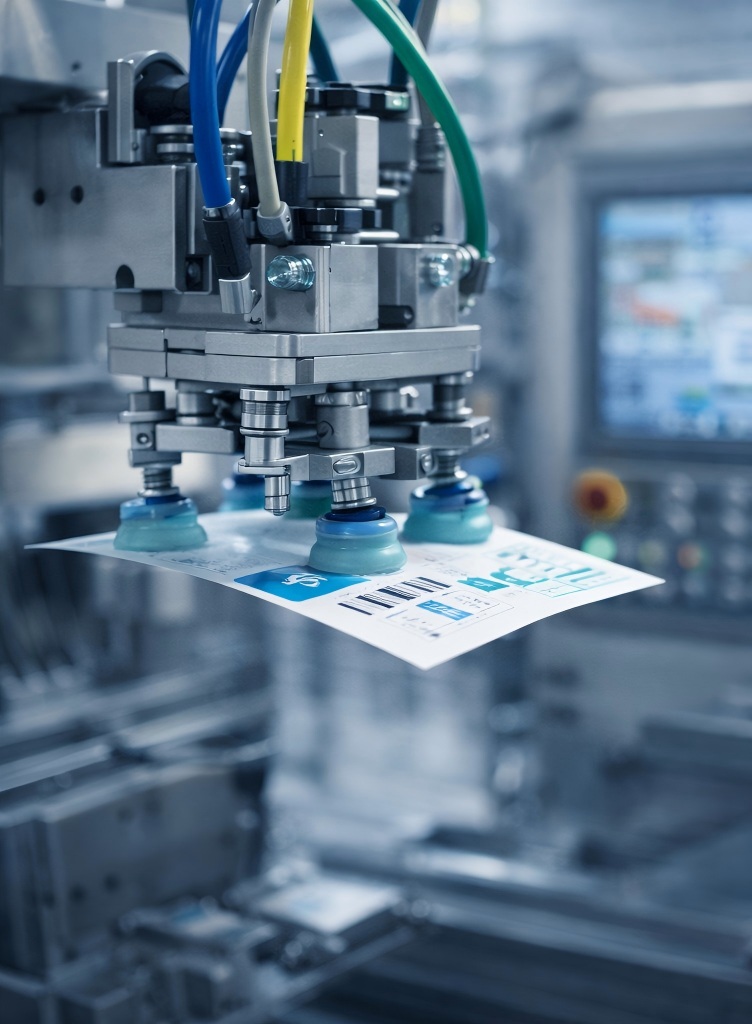
How robotic suction cup grippers achieve stable vacuum adhesion for IML labels. Explained from a label manufacturer’s perspective—materials, surface energy, static control, and automation reliability.
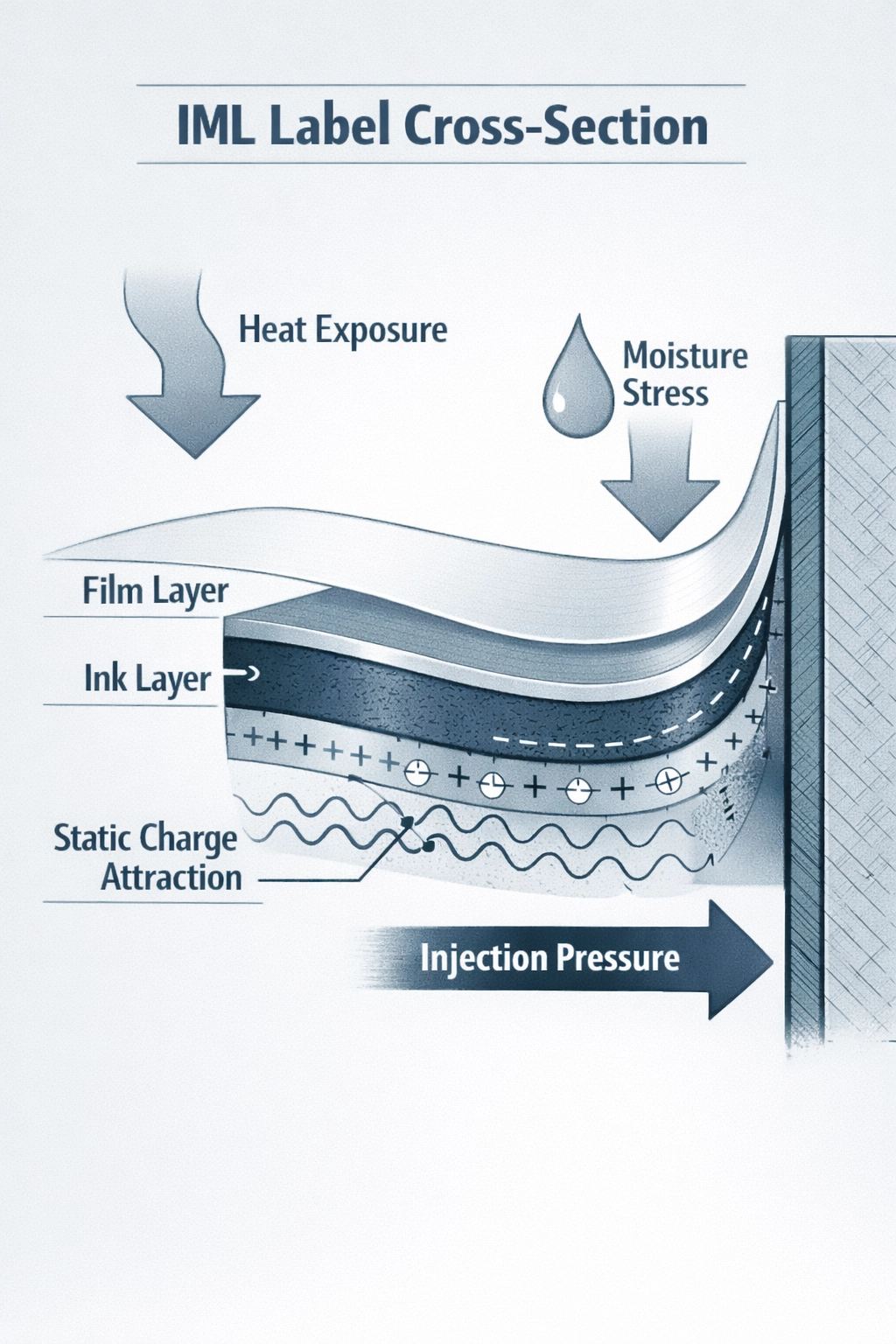
Learn why IML label flatness matters, what causes label curl, and how material science, printing control, and application techniques ensure flawless results.
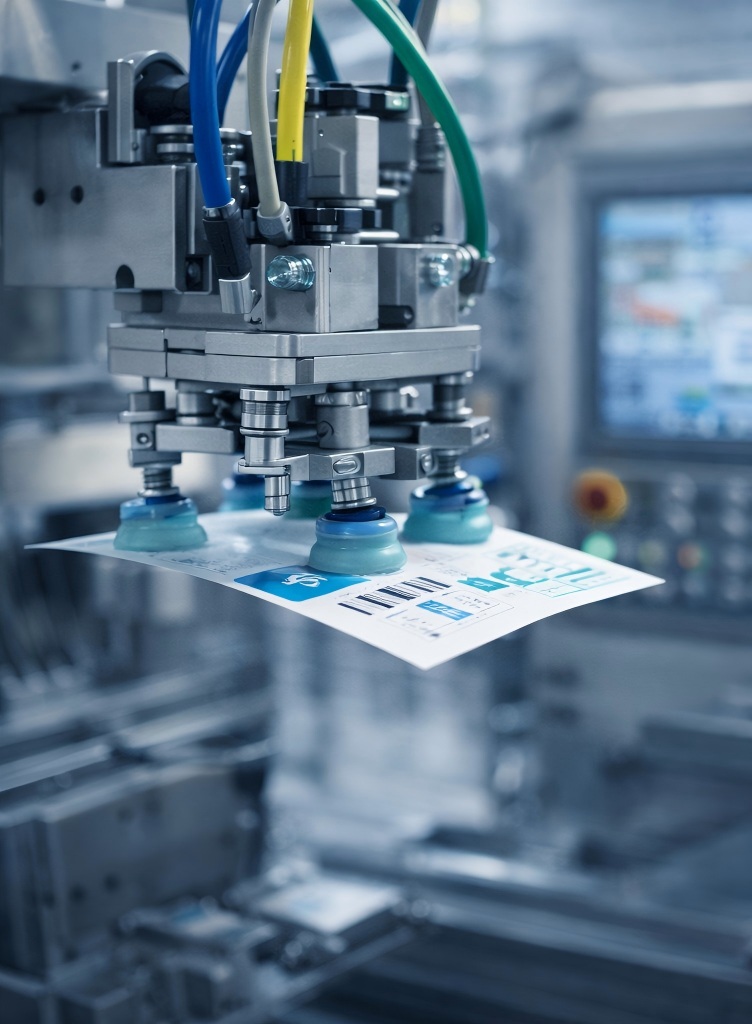
Learn why static control is the key failure point in robotic IML and how label manufacturers engineer materials to stabilize automation, improve OEE, and reduce scrap.
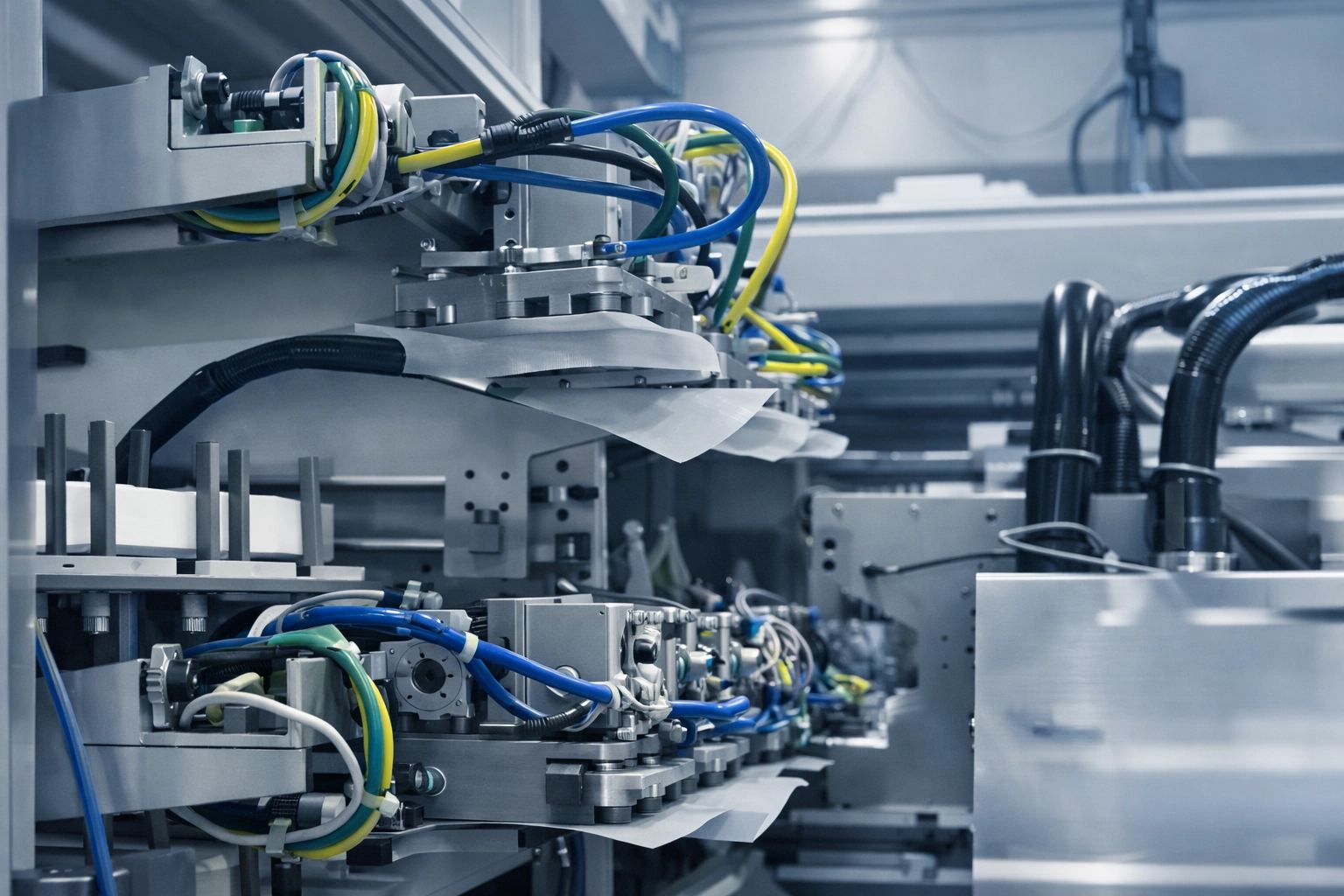
Discover how in-mold label design directly impacts robotic arm pickup, placement accuracy, and automation stability in injection molding.
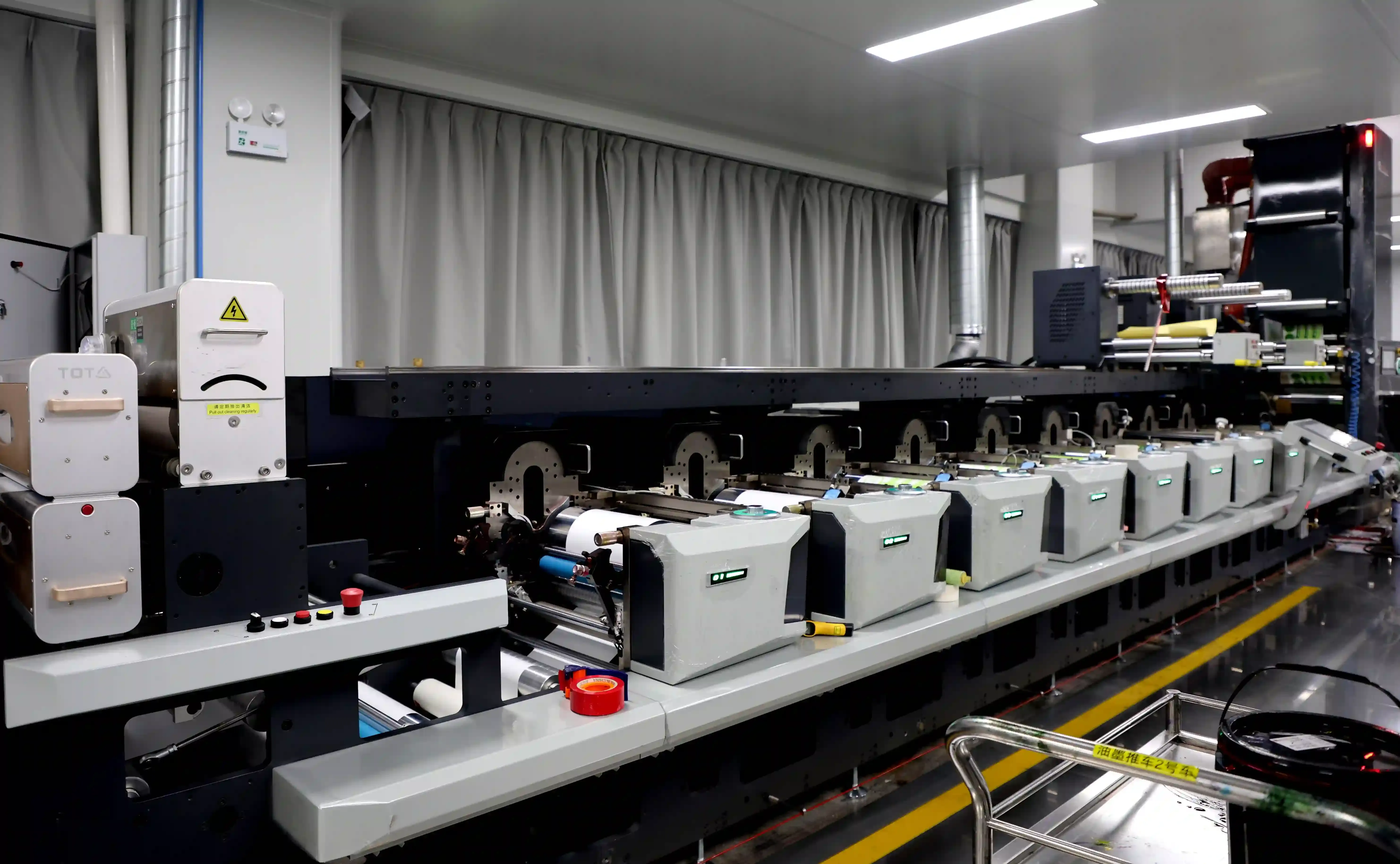
Learn how IML labels enable stable robotic arm automation in injection molding through material control, precision cutting, and process compatibility.
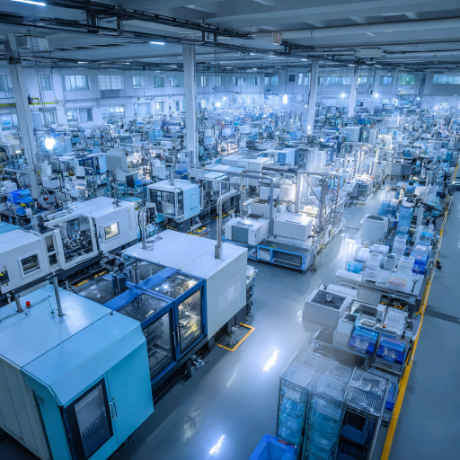
Learn how in-mold labeling (IML) ensures safety, regulatory compliance, traceability, and error prevention for medical injection-molded devices and packaging.
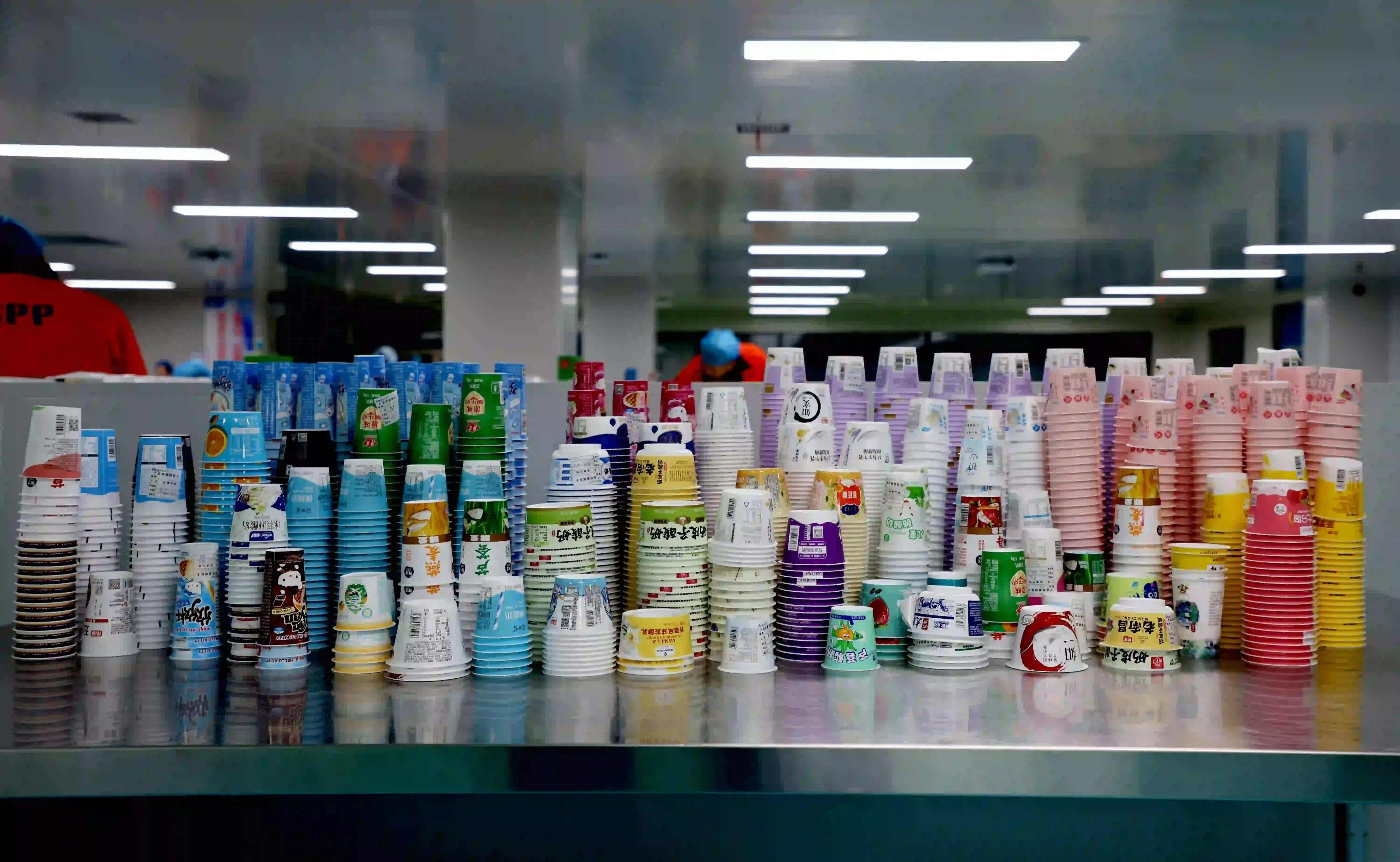
Learn why IML packaging fails in production and how proper film structure, thickness, and printing help brands scale safely. CPP manufacturing insight.
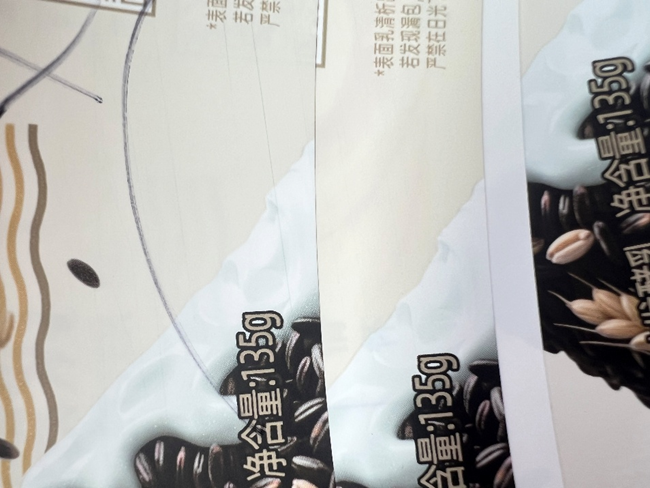
Learn about common printing, die-cutting, and lamination defects in label manufacturing, and how professional quality control ensures consistent IML and industrial label performance.
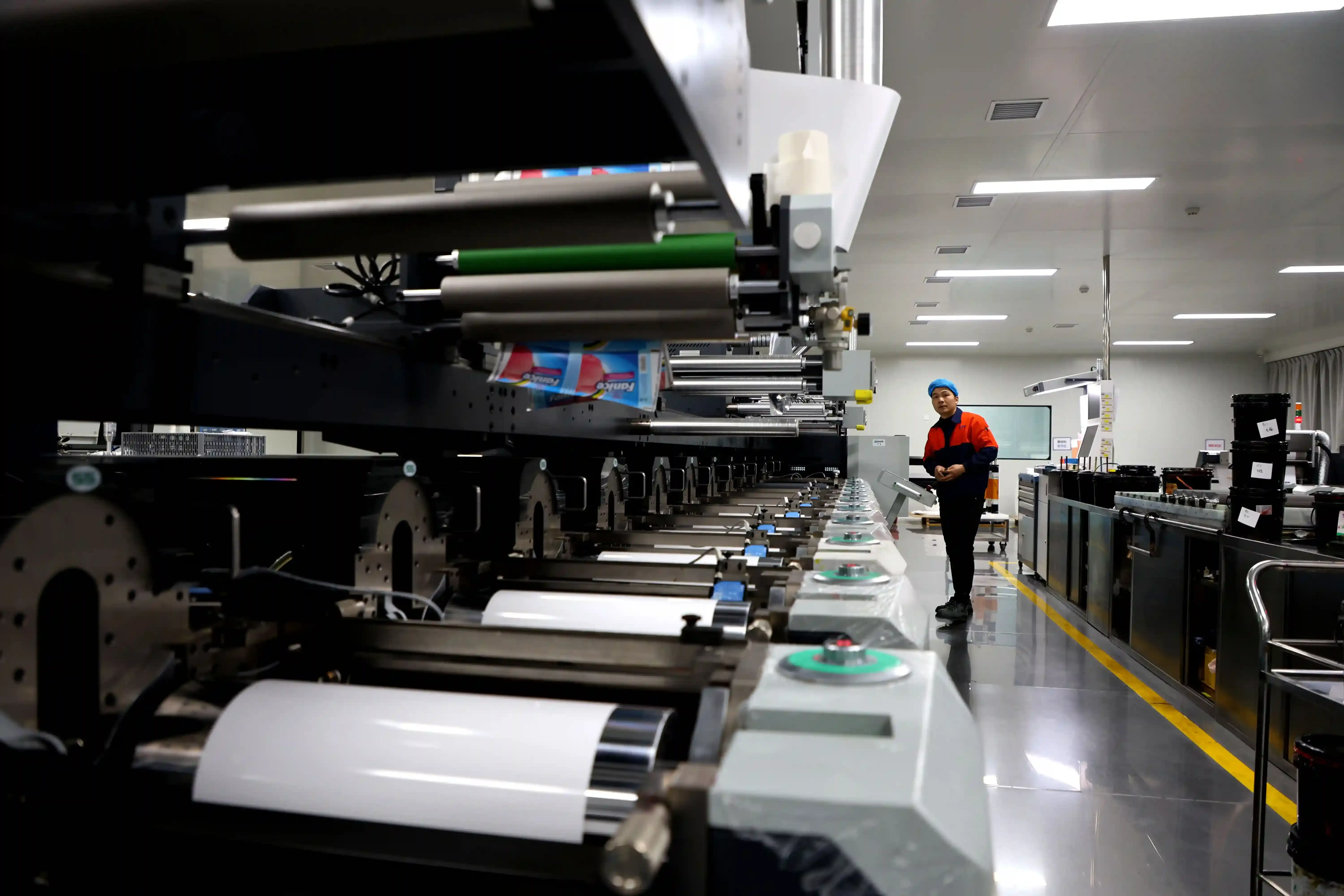
Learn what In-Mold Labeling (IML) is, how the IML process works, and where it is commonly used. A practical overview from an experienced IML label manufacturer.