Printing Technologies & Process Knowledgeinsights
2026年1月15日
What Is In-Mold Labeling (IML)? Process, Applications and Practical Insights
Learn what In-Mold Labeling (IML) is, how the IML process works, and where it is commonly used. A practical overview from an experienced IML label manufacturer.
What Is In-Mold Labeling (IML)?
A Practical Guide from a Label Manufacturer
If you work in packaging or product manufacturing, you may have heard the term In-Mold Labeling (IML).
But what does IML actually mean in real production, and why do more brands choose it over traditional labels?
In this article, we explain what IML is, how it works, and where it is most commonly used, based on real manufacturing experience—not just theory.
························································································
What Is In-Mold Labeling (IML)?
In-Mold Labeling (IML) is a labeling technology where a pre-printed plastic label is placed directly into the mold before plastic injection or blow molding.
During molding, the molten plastic fuses with the label, making the label part of the product itself, rather than something added afterward.
In simple terms:
👉 The label and the container become one single structure.
This is why IML labels are widely known for their durability, clean appearance, and premium look.
························································································
How Does the IML Process Work?
Although the concept sounds simple, the IML process requires precise coordination between printing, cutting, and molding.
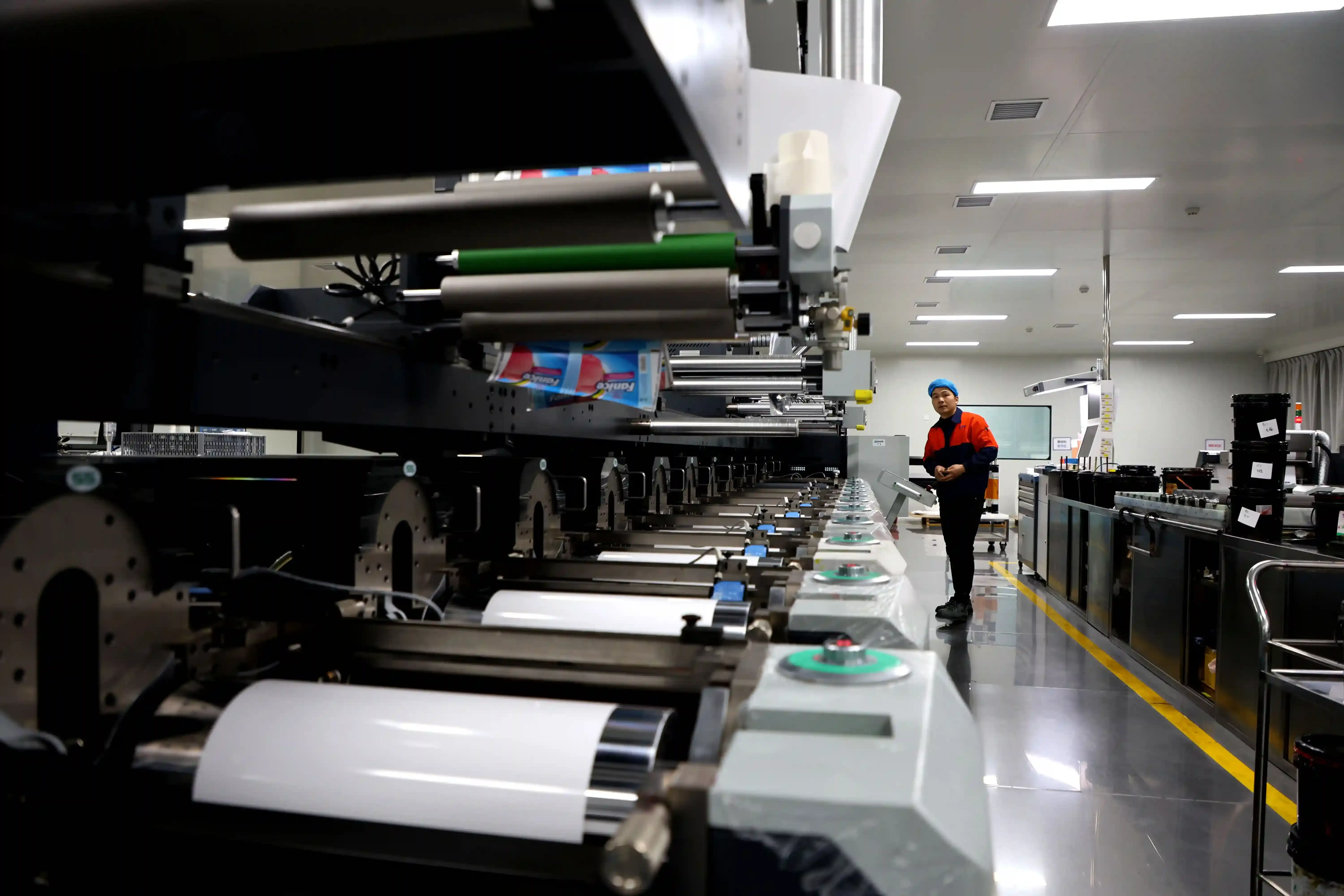
In our CPP ( Color Packaging & Printing Co.) experience, most IML issues are not caused by the molding process itself, but by small inconsistencies in label printing and cutting before molding.
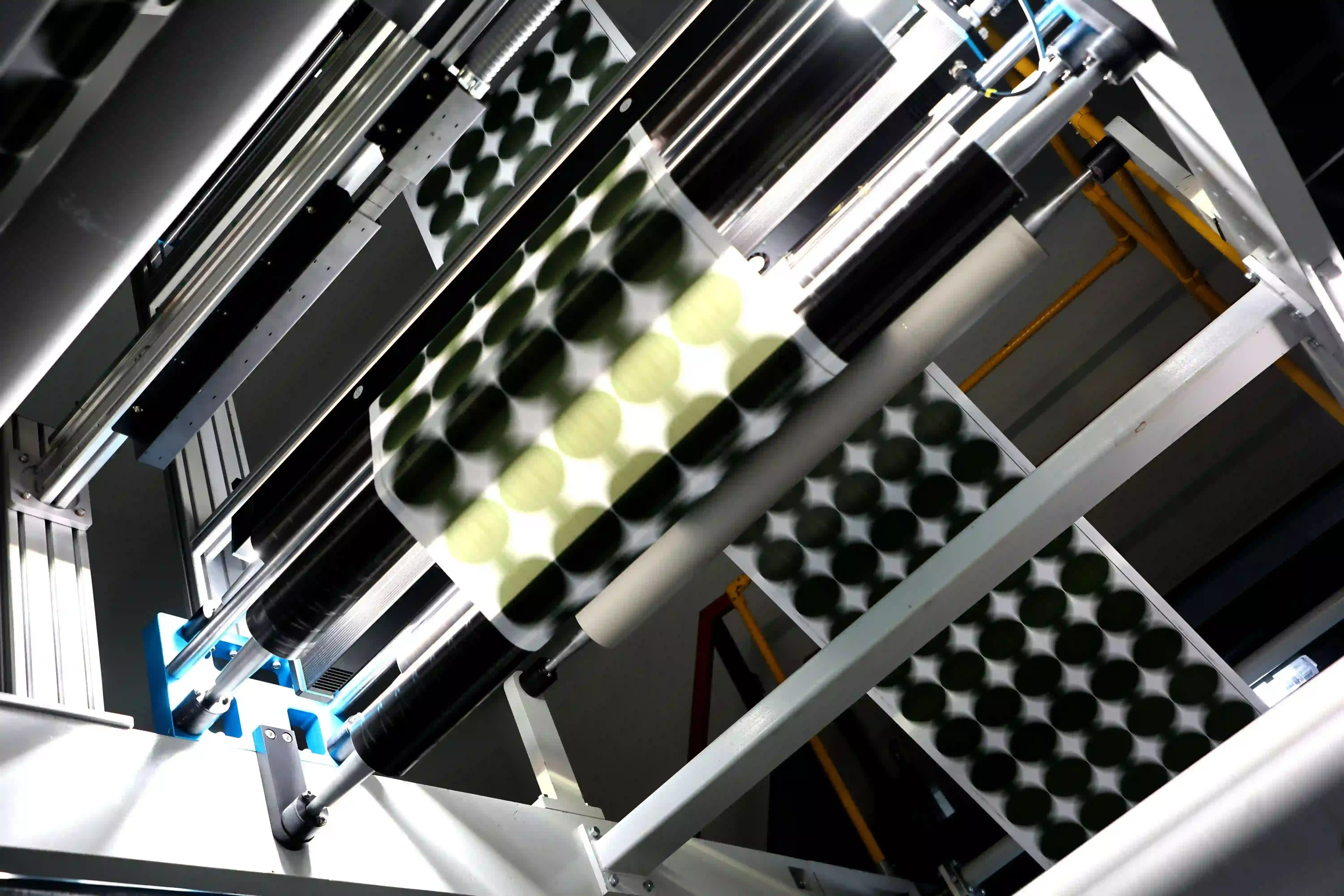
A typical IML workflow looks like this:
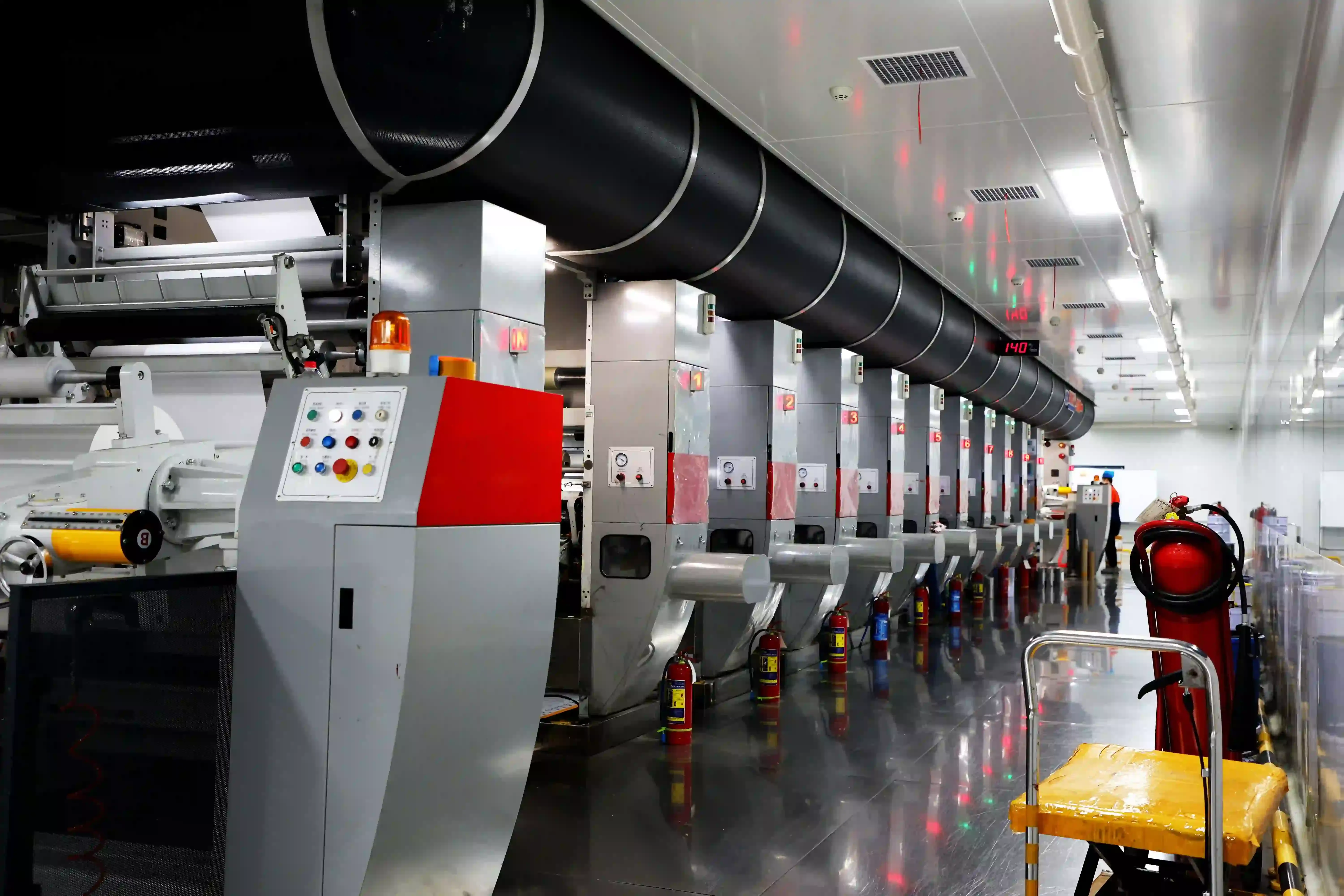
- IML label printing Labels are printed on plastic film (usually PP-based) using gravure or flexographic printing for stable color and consistency.
- Die-cutting and stacking Printed labels are die-cut to exact dimensions and stacked in a way that allows automated placement.
- Label placement in the mold The label is positioned inside the mold cavity, often using robotic systems or electrostatic attraction.
- Injection or blow molding Molten plastic is injected, bonding permanently with the label surface.
- Finished product ejection The final product comes out fully decorated—no secondary labeling process needed.
Because the label is exposed to heat, pressure, and static during molding, IML label quality control is critical at every step.
························································································
What Industries Commonly Use IML?
IML is not suitable for every product, but it is widely adopted in industries where appearance, durability, and production efficiency are key considerations.
Typical IML applications include:
· Food packaging (margarine tubs, yogurt cups, ice cream containers)
· Household products (detergent bottles, storage containers)
· Personal care packaging
· Industrial and logistics containers
For high-volume production, IML helps reduce labeling steps and improve consistency across batches.
························································································
Why Do Brands Choose IML Labels?
From a brand and manufacturing perspective, IML offers several clear advantages:
· Scratch and moisture resistance
The label protects the plastic surface.
· Long-lasting appearance
No peeling, bubbling, or edge lifting.
· High-quality printing results
Especially suitable for detailed graphics and color-critical designs.
· Efficient mass production
Labeling is completed during molding, not as a separate process.
That said, IML also places higher requirements on label printing accuracy, material stability, and process control.
························································································
Is IML Better Than Other Labeling Methods?
This is a common question—and the answer depends on application, cost structure, and production volume.
IML is often compared with:
· Pressure-sensitive (self-adhesive) labels
· Screen printing (silk-screen)
Each method has its own strengths and limitations.
🔗 “IML vs Pressure-Sensitive Labels vs Screen Printing.”
························································································
Final Thoughts
IML is not just a labeling method—it is a system-level process that combines printing quality, material selection, and molding compatibility.
For brands considering IML, working with an experienced label manufacturer who understands printing defects, lamination risks, and in-mold performance is essential for stable mass production.
If you are new to IML, this article is a good place to start.
If you are already using IML, the details behind the process often make the biggest difference.